
China's OpenClaw Mania: Grandmas, Install Parties, and a $72 Setup Fee
Tencent held an OpenClaw install party in Shenzhen. Thousands showed up — including retirees. Local shops charge $72 to set it up. Here's what's happening.
Reading about AI agents? RapidClaw gives you one that lives in Telegram & Discord, remembers everything, and runs your day — live in 60s, from $19/mo.
Get startedI have been watching OpenClaw's global adoption curve for months and nothing prepared me for what is happening in China right now. This is not a developer story. This is not a Silicon Valley hype cycle. This is grandmothers standing in line at a Tencent event in Shenzhen to get AI agents installed on their phones. Bloomberg, CNBC, Fortune, and the South China Morning Post are all covering it. And the pictures are genuinely surreal.
The Shenzhen install party that broke the internet#
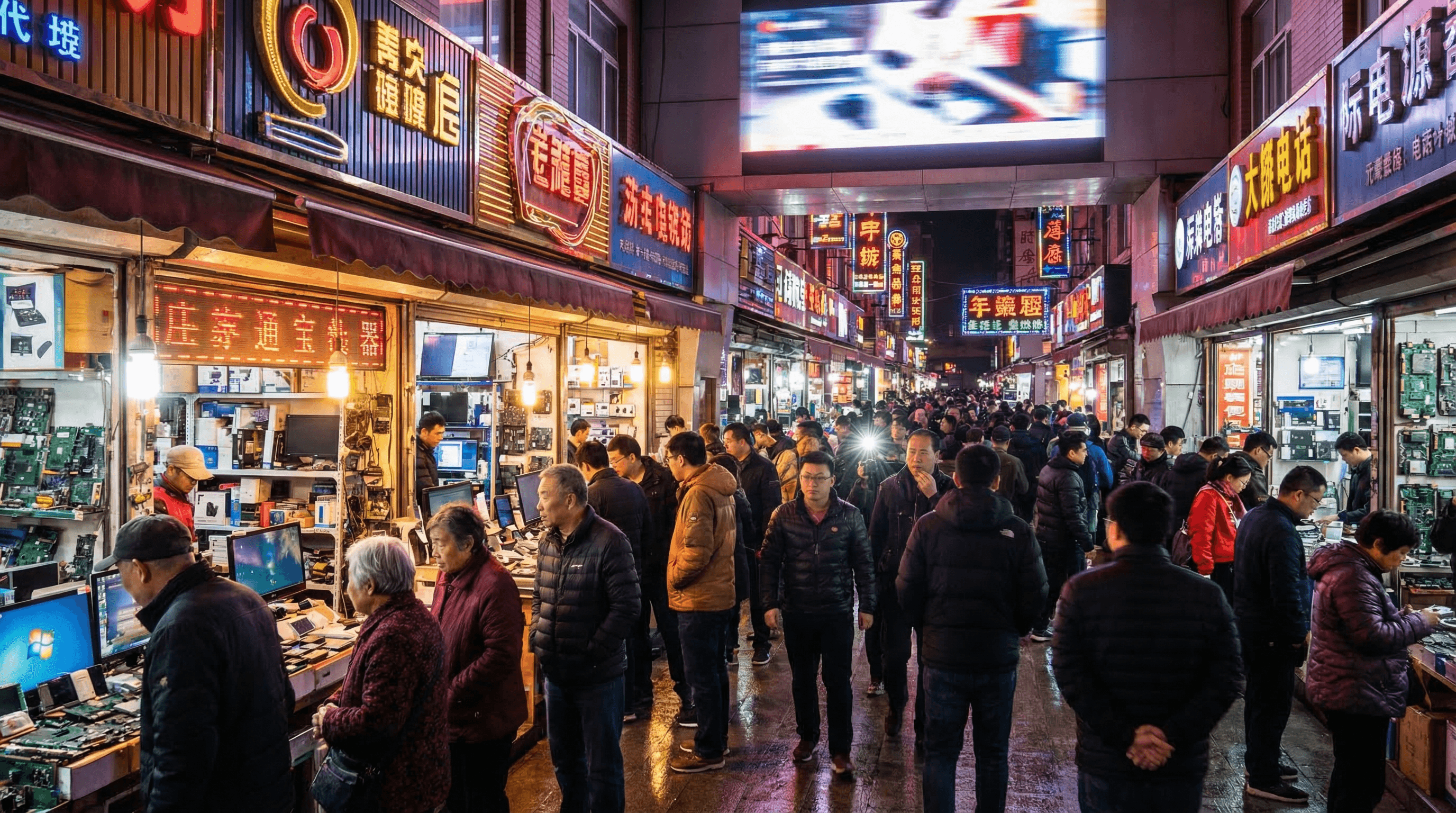
Tencent organized a public OpenClaw setup event at their Shenzhen headquarters earlier this month. The idea was simple: show up, bring your device, and Tencent staff will walk you through installing and configuring OpenClaw agents. Free of charge. Community goodwill exercise. Maybe a few hundred people show up, some photos get posted, everyone moves on.
Thousands came.
The footage circulating on Weibo and Douyin shows lines wrapping around the building. Young professionals, sure. But also retirees. Parents with kids. Elderly women who, based on the interviews translated and posted by SCMP, had never heard of AI agents three weeks ago and now wanted one that could help manage their medication schedules and message their grandchildren.
That last detail is the one that stuck with me. This is not a crowd of early adopters and tech enthusiasts. This is a mainstream cultural event. OpenClaw crossed a line in China that it hasn't crossed anywhere else yet: it became something normal people want, not just something developers build.
The Tencent event wasn't isolated. Similar gatherings have been reported in Guangzhou, Hangzhou, and Beijing. Some are corporate-organized. Some are grassroots, organized on WeChat groups by local tech communities. The format is the same everywhere: show up, get help setting up your agents, leave with a working system. The install party has become a social event in Chinese cities the way hackathons are social events in San Francisco. Except the audience is a hundred times broader.
The $72 setup fee economy#
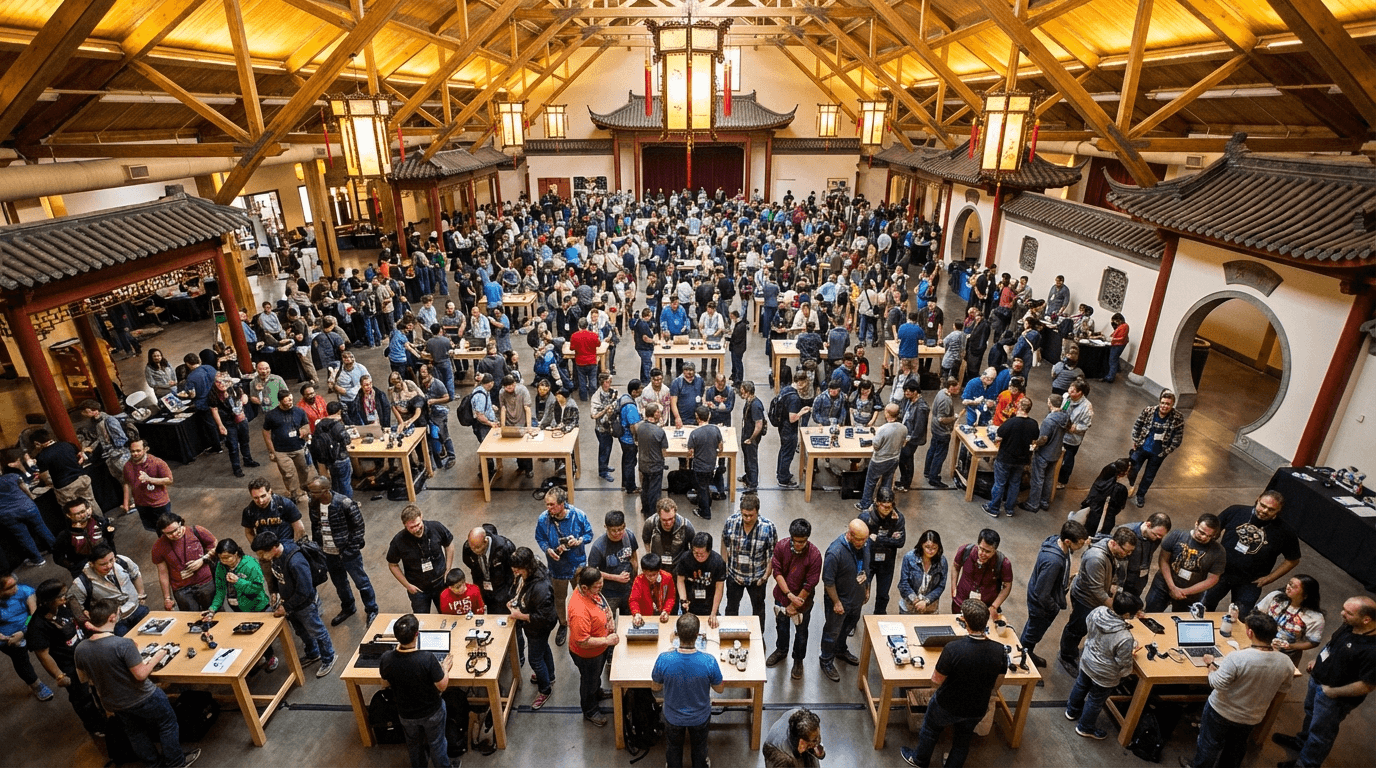
Where there is demand, there is commerce. Across China, small electronics shops and phone repair stores have started offering OpenClaw installation as a paid service. The going rate, according to multiple reports aggregated by Fortune, is roughly 500 RMB — about $72 USD.
For that fee, you get OpenClaw installed, configured for your use case, and a basic set of agents set up. The shop owner walks you through how to interact with them. Some shops are offering tiered packages: basic setup for 500 RMB, premium configuration with custom agents for 800 RMB, ongoing support plans for a monthly fee.
This is a fascinating market signal. $72 is not trivial in the context of Chinese consumer spending on software services. People are paying it eagerly. The shops that offer it are reportedly booked days in advance. What this tells you is that the demand for personal AI agents has outstripped the supply of people who know how to set them up. The gap between "I want this" and "I can do this myself" is wide enough that a cottage industry has formed overnight to fill it.
I want to sit with that for a second because it says something important about where we are in the adoption curve. OpenClaw is powerful. OpenClaw is open source. OpenClaw is also, for a non-technical person, genuinely difficult to set up properly. You need to choose a model provider. You need API keys. You need to configure agent behaviors, set up integrations, handle persistence. A developer can do it in an afternoon. A retiree in Shenzhen cannot.
The $72 setup fee is a tax on complexity. And it is a tax that millions of people are apparently willing to pay.

Beijing is watching#
The enthusiasm has not gone unnoticed by regulators. China's stock markets reacted predictably to the OpenClaw mania — shares in companies associated with AI agent infrastructure and local LLM providers surged. But Beijing is now signaling that it intends to impose guardrails on how OpenClaw agents can be used domestically.
The details are still emerging, but the pattern is familiar. Chinese regulators have a well-established playbook: let adoption run, observe what happens, then regulate from a position of understanding. They did it with mobile payments, with ride-hailing, with cryptocurrency, with generative AI. OpenClaw appears to be getting the same treatment.
The specific concerns being reported center on data privacy (agents that have persistent access to personal information), financial transactions (agents that can make purchases or manage money on behalf of users), and content generation (agents that produce text or media that could be subject to existing content regulations). None of this is surprising. If anything, it's a sign that regulators are taking OpenClaw seriously as infrastructure rather than dismissing it as a toy.
For the ecosystem, regulatory attention from Beijing is a double-edged sword. It could slow adoption in certain categories. It could also legitimize the technology by creating a formal compliance framework. The companies that figure out how to build within those guardrails will have a massive advantage in the Chinese market.
What this tells us about global adoption#
China is often a leading indicator for consumer technology adoption patterns. Not because other countries copy China, but because China's market has a combination of scale, mobile-first behavior, and willingness to adopt new digital tools that reveals demand signals faster than anywhere else.
The signal from China right now is loud and clear: ordinary people want AI agents. Not as a concept. Not as a demo they saw on Twitter. They want agents running on their phones, managing their daily tasks, integrated into the messaging apps they already use. They want it badly enough to stand in line for hours and pay $72 to a shop owner to set it up.
That demand exists everywhere. It just hasn't been activated yet in most markets because the setup friction is still too high. The install party phenomenon in China is essentially a brute-force solution to a UX problem. You can't make the software easier to install? Fine, we'll create a human layer to do the installing.
The usability gap is the real story#
The coverage has focused on the spectacle — the crowds, the grandmothers, the stock moves, the regulatory response. But the story underneath all of that is about usability. OpenClaw has achieved something remarkable: it has created genuine mass-market demand for AI agents among people who have never heard of GitHub. And then it has failed to give those people a way to actually use it without help.
That is the gap that matters. Not the technology gap. Not the model quality gap. The usability gap. The distance between "this is incredible" and "I can actually use this on my own."
We built RapidClaw specifically because we saw this gap coming. OpenClaw-as-a-Service means your agents are always on, running on Telegram, configured and managed through a dashboard. No install parties. No $72 setup fees. No command line. You sign up, you connect Telegram, your agents are live. That is the experience that the thousands of people standing in line in Shenzhen actually want — they just don't have access to it yet.
The install parties are a beautiful, chaotic, deeply human response to a software distribution problem. But the long-term answer isn't more install parties. It's making the install party unnecessary.
We're building RapidClaw to make personal AI agents accessible to everyone, no infrastructure required. Try it free.
Frequently asked questions#
What are OpenClaw install parties in China?#
OpenClaw install parties are public events where attendees bring their devices and get help setting up AI agents. Tencent organized the first major one at their Shenzhen headquarters, drawing thousands of people including retirees and parents -- not just developers. Similar events have spread to Guangzhou, Hangzhou, and Beijing, organized by both corporations and grassroots WeChat communities.
Why do Chinese shops charge $72 to install OpenClaw?#
The roughly 500 RMB ($72 USD) fee reflects the gap between mass-market demand for AI agents and the technical difficulty of self-setup. Configuring OpenClaw requires choosing model providers, obtaining API keys, setting up agent behaviors, and handling integrations -- tasks that are straightforward for developers but challenging for non-technical users. The fee is essentially a tax on complexity, and shops offering the service are reportedly booked days in advance.
Is China regulating OpenClaw AI agents?#
Beijing is signaling regulatory intent around OpenClaw, following its established playbook of letting adoption run before imposing guardrails. The specific concerns center on data privacy for agents with persistent access to personal data, financial transactions made by agents, and content generation subject to existing regulations. This could slow adoption in certain categories but may also legitimize the technology through a formal compliance framework.
Give the busywork to an agent that remembers you
RapidClaw deploys your personal AI agent to Telegram & Discord in 60 seconds — it learns your world, briefs you every morning, and gets smarter every day. Credits included, no API keys, no servers.
Get started — from $19/moRelated Posts

Tencent Just Put OpenClaw Inside WeChat — 1.4 Billion Users Can Now Run AI Agents
Tencent integrated OpenClaw directly into WeChat, giving 1.4 billion users access to AI agents without downloading anything. Here's what it means for the agent economy.

OpenClaw 2026.4.9 'Dreaming' Feature: Your AI Agent Now Consolidates Memory While You Sleep
OpenClaw v2026.4.9 introduces Dreaming — a memory consolidation system where your AI agent replays the day's interactions overnight and decides what to remember permanently. Here's how it works.

Brave Search Just Became the Default Brain for 700,000 AI Agents. Google Wasn't Even in the Running.
700,000 OpenClaw agents now use Brave Search by default. Not Google. Not Bing. The search engine market is being rewritten by AI agents.
Stay in the loop
New use cases, product updates, and guides. No spam.