OpenClaw Is Having Its ChatGPT Moment — And Big AI Labs Should Be Worried
OpenClaw's explosive growth mirrors ChatGPT's breakout trajectory. With 100K+ GitHub stars and model-agnostic architecture, it's turning billion-dollar AI models into interchangeable commodities. Here's why that terrifies the labs.
Reading about AI agents? RapidClaw gives you one that lives in Telegram & Discord, remembers everything, and runs your day — live in 60s, from $19/mo.
Get startedSomething unusual is happening in the AI industry. While OpenAI, Google, and Anthropic spend billions training ever-larger models, an Austrian developer's open-source project is quietly reshaping who captures the value. OpenClaw just crossed 100,000 GitHub stars faster than almost any developer tool in history. Enterprises are deploying it at scale. And the implications for the AI business model are profound.
The numbers that should worry AI labs#
OpenClaw's growth trajectory mirrors ChatGPT's breakout moment in late 2022, but with a critical difference. ChatGPT proved consumer demand for AI. OpenClaw is proving that the model layer — the part AI labs spend billions building — might be the least defensible part of the stack.
The adoption numbers tell the story. Over 100,000 GitHub stars. Thousands of production deployments. A contributor community spanning every continent. Enterprise adoption accelerating through Q1 2026. Each of these metrics individually is impressive. Together, they describe a platform that has crossed the threshold from promising project to infrastructure standard.
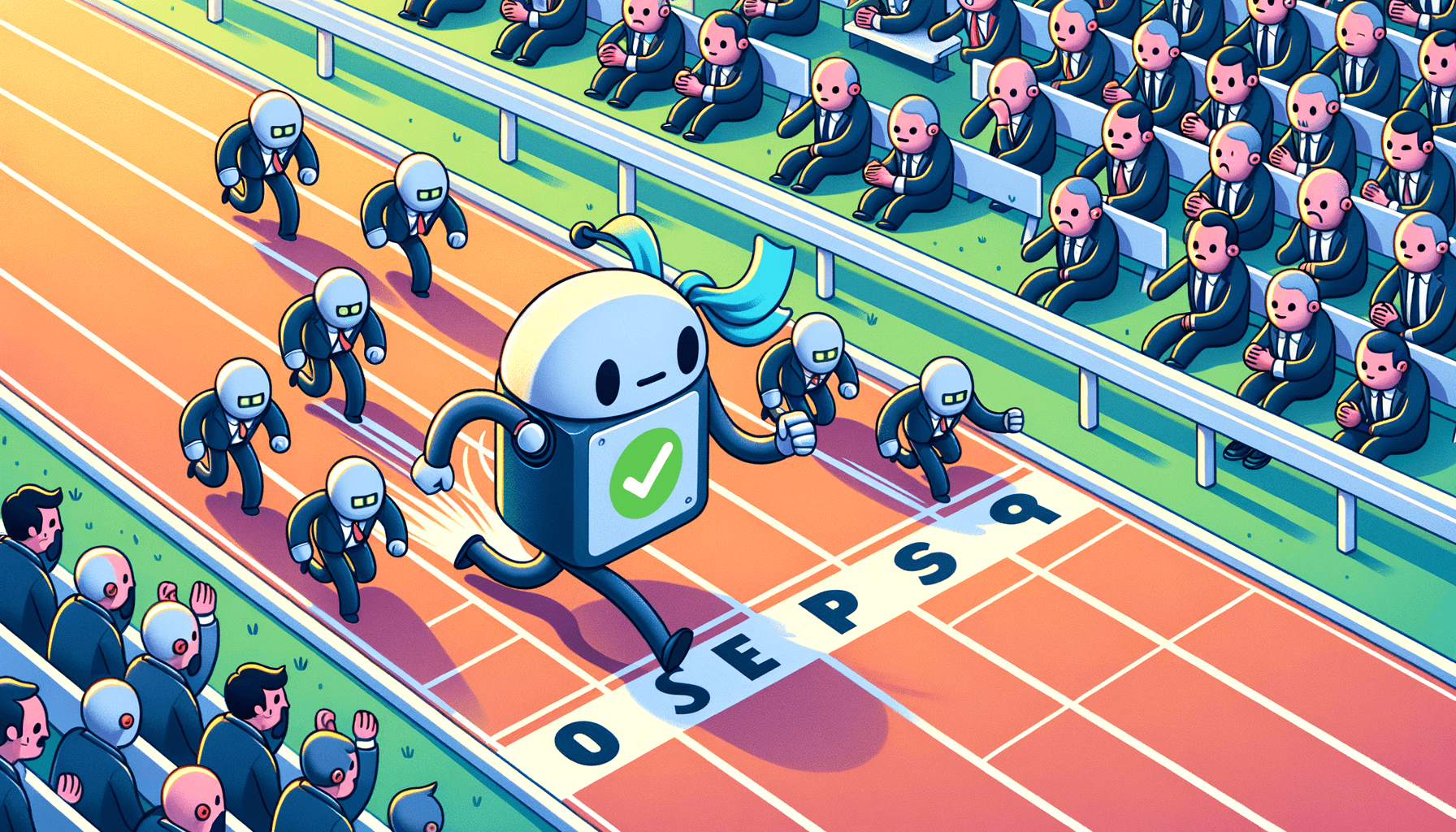
What makes this different from previous open-source AI successes is the architecture. OpenClaw doesn't compete with foundation models. It sits above them and makes them interchangeable. Your OpenClaw agent works with GPT-4o today, switches to Claude tomorrow, and runs on Gemini next week. The model becomes a configuration option, not a commitment.
Why model-agnostic architecture changes everything#
The traditional AI business model assumes lock-in. You build on OpenAI's API, your prompts are tuned for GPT, your workflows depend on specific model behaviors, and switching costs keep you paying. Every AI lab's revenue projection depends on this dynamic.
OpenClaw breaks that assumption. Its agent framework abstracts the model layer entirely. Agents define goals, tools, and behaviors. The underlying model is a parameter you can change without rewriting anything. This isn't theoretical — RapidClaw users switch between Gemini, Claude, GPT-4o, and open-weight models like Kimi K2.5 through a single configuration, often mid-conversation.
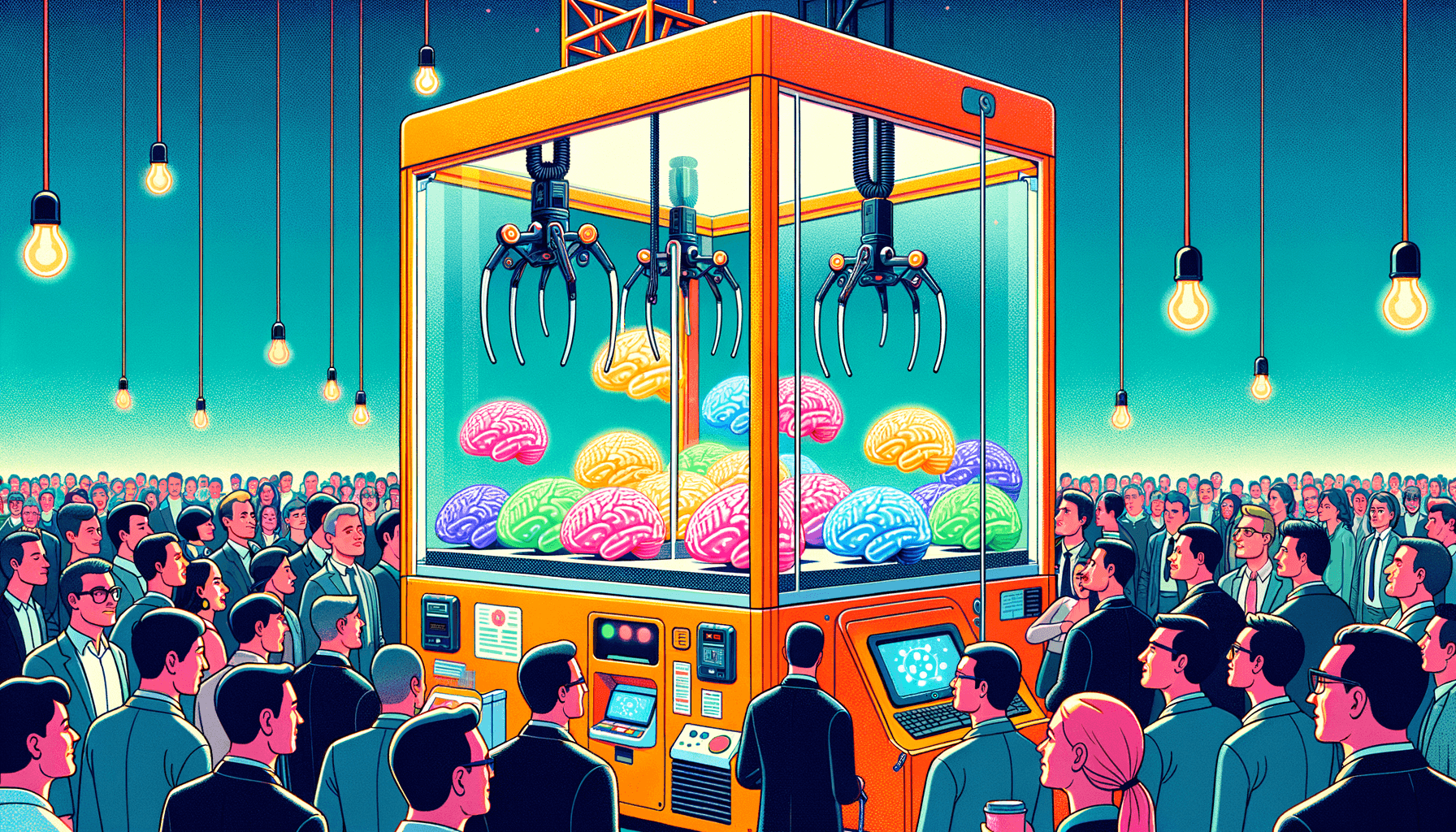
The economic consequences are severe for model providers. When switching costs approach zero, the only differentiator is price and performance. Models become commodities competing on basis points of benchmark scores and fractions of cents per token. That's a brutal market for companies that spent $10 billion on training runs.
The Jensen Huang factor#
NVIDIA's Jensen Huang has been notably vocal about open-source AI infrastructure at GTC 2026. His thesis is straightforward: the value in AI accrues to compute infrastructure (NVIDIA's GPUs) and to the application layer (agents that do useful work). The model layer in between gets squeezed.
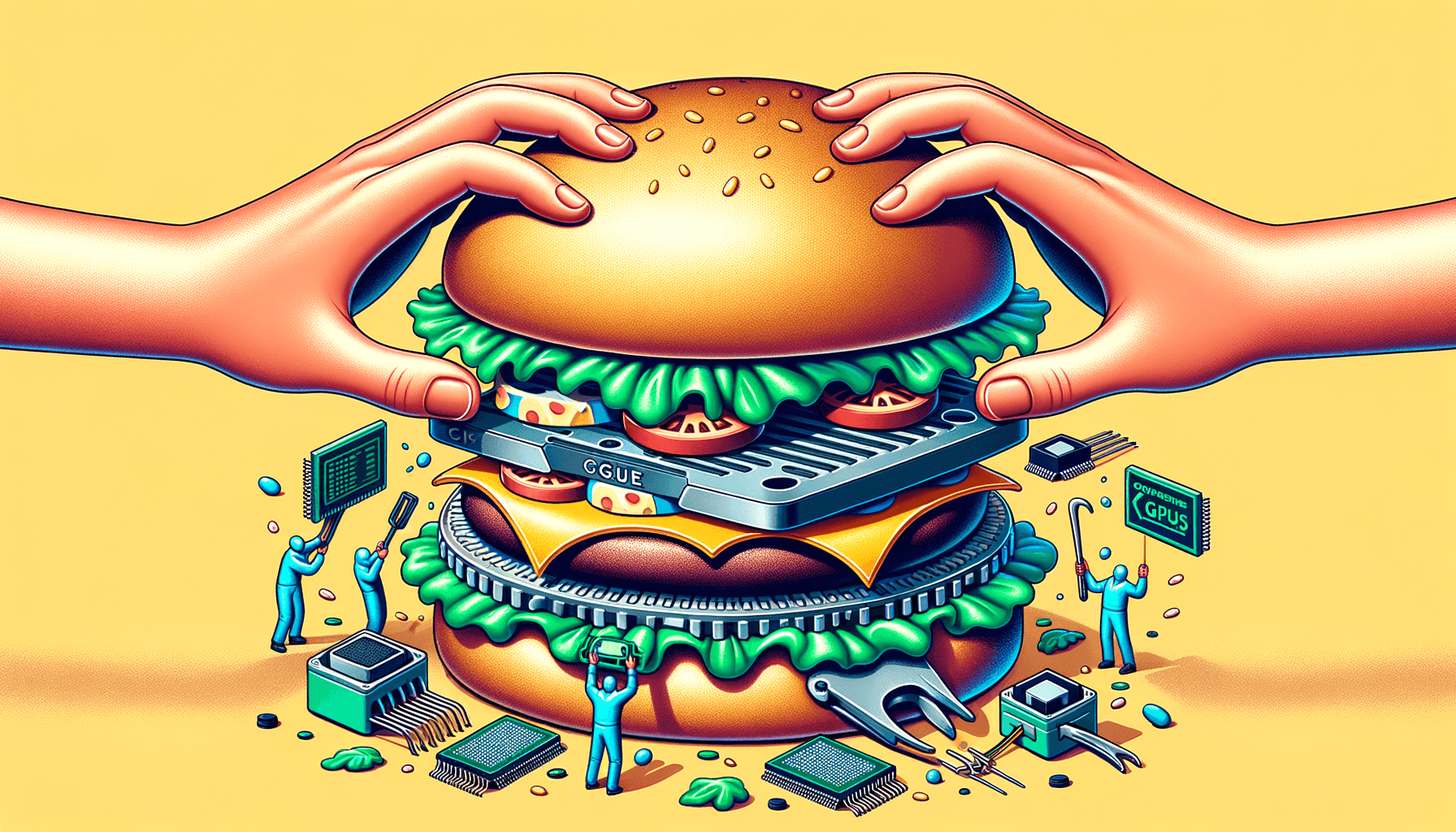
OpenClaw validates this thesis perfectly. It's an application-layer framework that treats models as interchangeable compute. NVIDIA wins regardless of which model you choose because every model runs on their hardware. OpenClaw wins because it owns the agent experience. The AI labs sit in the shrinking middle.
This isn't speculation anymore. The pattern is visible in pricing. OpenAI has cut GPT-4 pricing by over 90% since launch. Google offers Gemini Flash at near-zero cost. Anthropic's Claude pricing has dropped repeatedly. The price war is a commodity war, and commodity wars have predictable outcomes.
What the labs are doing about it#
The response from major AI labs has been telling. Each is racing to build their own agent frameworks — OpenAI's Agents SDK, Google's Agent Development Kit, Anthropic's Claude Agent SDK. The message is clear: they recognize that the model alone isn't enough.
But they face a structural disadvantage. Their agent frameworks are designed to lock users into their specific model. OpenAI's Agents SDK works best with GPT. Google's ADK is optimized for Gemini. This is the old playbook — build the ecosystem around your model and hope the switching costs stick.
OpenClaw's advantage is that it has no model to protect. Its only incentive is to be the best agent framework, period. That alignment between project incentives and user interests is why open-source wins in infrastructure. Linux won servers for the same reason. Kubernetes won orchestration for the same reason. The pattern repeats.
What this means for builders#
If you're building AI-powered products or workflows today, the commoditization of models is unambiguously good news. It means lower costs, more options, and less vendor lock-in. But it also means the defensible value in your stack isn't which model you use — it's the agent layer that orchestrates the work.
The builders winning right now are the ones treating AI models the way we treat cloud compute: essential infrastructure that you don't build loyalty to. They pick the best model for each task, switch when something better appears, and invest their energy in the agent workflows that actually deliver value to their users.
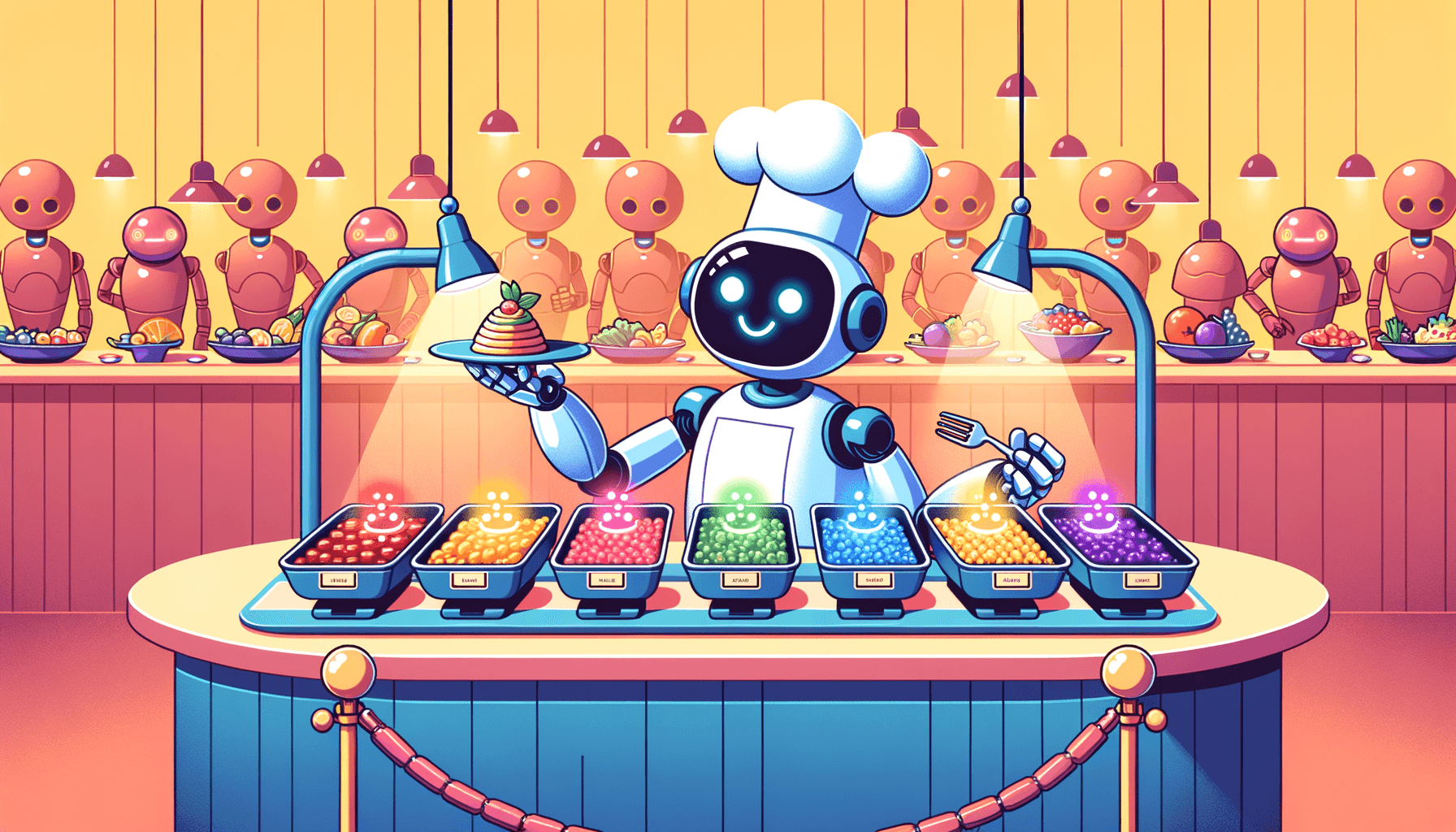
That's exactly what platforms like RapidClaw enable. Deploy an AI agent in 60 seconds, connect it to your Telegram or Discord, and let the platform handle model routing. If Gemini is fastest for your use case today, use it. If Claude reasons better for your specific workflow tomorrow, switch. The agent — your agent — stays the same.
The ChatGPT parallel, and where it breaks down#
ChatGPT's moment was about proving demand. It showed the world that people want to interact with AI, that the technology works, and that the market is enormous. OpenClaw's moment is about proving architecture. It's showing that the way AI gets deployed matters more than which model powers it.
The parallel breaks down in one important way. ChatGPT created a market for one company. OpenClaw is creating a market for everyone. Every developer who deploys an OpenClaw agent, every business that runs one through RapidClaw, every contributor who improves the framework — they're all building on shared infrastructure that no single company controls.
That's what makes this a genuine inflection point. Not because one project got popular, but because the architecture it represents — model-agnostic, open-source, agent-first — is becoming the default way serious builders deploy AI.
The AI labs aren't dead. Their models are extraordinary and getting better. But the business model that assumes you can charge premium prices for a commoditizing resource is on borrowed time. OpenClaw just made the clock tick faster.
Ready to deploy AI agents without model lock-in? RapidClaw gives you a production-ready OpenClaw instance in 60 seconds — with automatic model routing across Gemini, Claude, GPT-4o, and more. Get started free.
Frequently Asked Questions#
What is OpenClaw and why is it compared to ChatGPT?#
OpenClaw is an open-source AI agent framework that has crossed 100,000 GitHub stars with explosive adoption growth. The ChatGPT comparison refers to its breakout trajectory — both achieved rapid mainstream adoption that reshaped industry assumptions. ChatGPT proved consumer demand for AI. OpenClaw is proving that the model layer is becoming a commodity.
How does OpenClaw make AI models interchangeable?#
OpenClaw's architecture abstracts the model layer. Agents are defined by their goals, tools, and behaviors — not by the specific model powering them. You can switch between GPT-4o, Claude, Gemini, or open-weight models like Kimi K2.5 through configuration changes without rewriting any agent logic.
Why should AI labs be worried about model commoditization?#
When users can switch between models without friction, the only differentiators become price and benchmark performance. This creates commodity dynamics where margins compress. AI labs that spent billions on training face shrinking returns as open-source frameworks remove the switching costs that traditionally protected their revenue.
What is the difference between OpenClaw and AI labs' own agent frameworks?#
AI labs build agent frameworks designed to lock users into their specific model — OpenAI's Agents SDK favors GPT, Google's ADK favors Gemini. OpenClaw has no model allegiance. Its only incentive is being the best agent framework regardless of which model you choose, which aligns its development with user interests rather than vendor lock-in.
How does RapidClaw relate to OpenClaw?#
RapidClaw is a hosted platform that deploys OpenClaw instances for you in 60 seconds. It handles provisioning, model routing, and messaging platform integration so you get a production-ready AI agent without managing infrastructure. It supports automatic routing across multiple LLM providers.
Give the busywork to an agent that remembers you
RapidClaw deploys your personal AI agent to Telegram & Discord in 60 seconds — it learns your world, briefs you every morning, and gets smarter every day. Credits included, no API keys, no servers.
Get started — from $19/moRelated Posts

Microsoft Just Open-Sourced the Security Shield Every AI Agent Needs
Microsoft released a 7-package open-source Agent Governance Toolkit covering authorization, tracing, prompt injection defense, and PII protection — all under 0.1ms latency. Here's what it means for agent security.
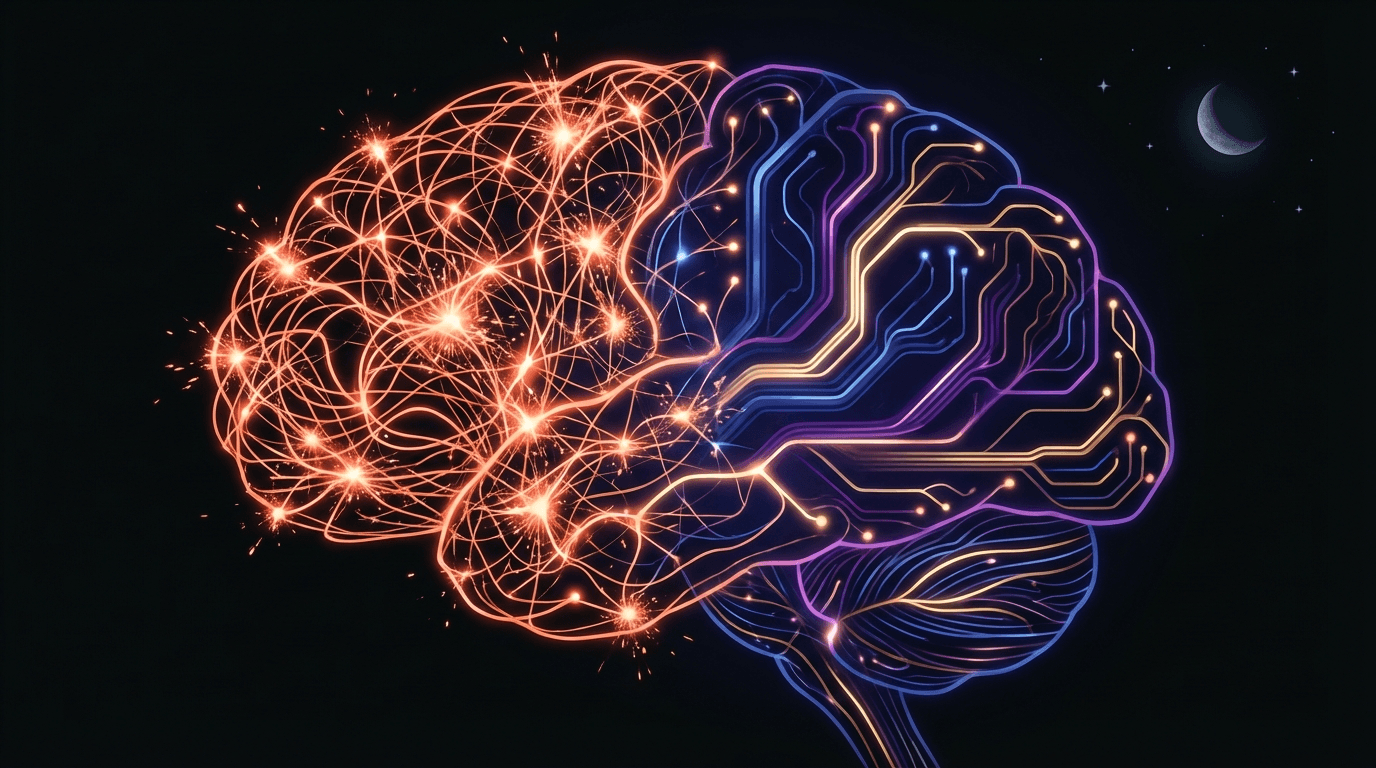
OpenClaw 2026.4.9 'Dreaming' Feature: Your AI Agent Now Consolidates Memory While You Sleep
OpenClaw v2026.4.9 introduces Dreaming — a memory consolidation system where your AI agent replays the day's interactions overnight and decides what to remember permanently. Here's how it works.
Brave Search Just Became the Default Brain for 700,000 AI Agents. Google Wasn't Even in the Running.
700,000 OpenClaw agents now use Brave Search by default. Not Google. Not Bing. The search engine market is being rewritten by AI agents.
Stay in the loop
New use cases, product updates, and guides. No spam.