
Shopify's Agentic Storefronts Turn ChatGPT and Gemini Into Shopping Malls
Shopify just launched agentic storefronts that let ChatGPT, Gemini, and other AI agents browse catalogs, compare products, and route buyers to merchant storefronts for purchase. AI traffic is up 7x since January 2025.

Reading about AI agents? RapidClaw gives you one that lives in Telegram & Discord, remembers everything, and runs your day — live in 60s, from $19/mo.
Get startedShopify's agentic storefronts are a new infrastructure layer that exposes every Shopify store as a machine-readable, agent-accessible commerce endpoint, allowing AI assistants like ChatGPT, Gemini, and Microsoft Copilot to browse product catalogs, compare options, and route buyers to the merchant's own storefront for purchase. Users browse in-chat, then complete the transaction on the merchant's site — an in-app browser on mobile, a new tab on desktop. This is the biggest architectural shift in e-commerce since mobile checkout.
Tobi Lutke said it plainly: "Shopify is the easiest solution for merchants who want AI agents to find their storefronts." The implications are bigger than most merchants realize. This isn't a chatbot plugin or a product feed. Shopify rebuilt the storefront as an agent-native interface — part of the Winter '26 Edition, which shipped 150+ features total. As of late March 2026, all stores are activated by default with no opt-in required. Only ~12 merchants among Shopify's millions were actively using AI tools to sell before default activation.

What Shopify actually shipped#
Agentic storefronts are a structured data layer that sits alongside the traditional HTML storefront. When a human visits a Shopify store, they get the website. When an AI agent visits, it gets a machine-readable representation of the entire product catalog, pricing, inventory levels, shipping options, and return policies. The agent doesn't need to scrape. It doesn't need to parse HTML. It queries a structured interface purpose-built for software buyers.
The system supports three core agent actions: discovery (search and filter products by attributes), evaluation (compare products, check reviews, verify compatibility), and handoff (route the buyer to the merchant's own storefront to complete checkout). Each action returns clean, structured responses that any LLM can reason about.
Shopify Catalog syndicates products across ChatGPT, Perplexity, and Microsoft Copilot. When you ask ChatGPT to "find me running shoes under $120 with good arch support," it can now query Shopify's agentic layer across stores, compare options, and route you to the merchant's site to buy. Vanessa Lee, VP Product at Shopify, put it this way: "AI gives us all a new tool to build experiences that weren't possible before."
Shopify also shipped a Knowledge Base App that lets merchants define policies, FAQs, and brand voice for agent responses — so the AI represents each store accurately. Meanwhile, 20+ retailers have endorsed the Universal Commerce Protocol (UCP) as a shared standard. As Ashish Gupta from Google noted: "The shift to agentic commerce will require a shared language across the ecosystem — and the Universal Commerce Protocol provides that framework."
Why checkout pages are suddenly obsolete#
The traditional e-commerce funnel is built around a painful truth: humans are bad at shopping. We browse 6-10 stores before buying. We abandon 70% of carts. We comparison-shop across tabs and forget what we found. The entire $6.3 trillion global e-commerce industry, per Statista's 2026 forecast, is engineered around this inefficiency.
Agentic storefronts skip the entire funnel. An agent queries, not browses. It doesn't abandon carts — it routes users directly to the product page ready to buy. It needs structured data and honest pricing, not urgency timers or "only 3 left" nudges.
For twenty years, e-commerce optimized for human psychology. Now it optimizes for machine logic. According to Shopify's own data, AI traffic to Shopify stores is up 7x since January 2025 and AI-attributed orders are up 11x. That trajectory should terrify anyone still optimizing for the old funnel.
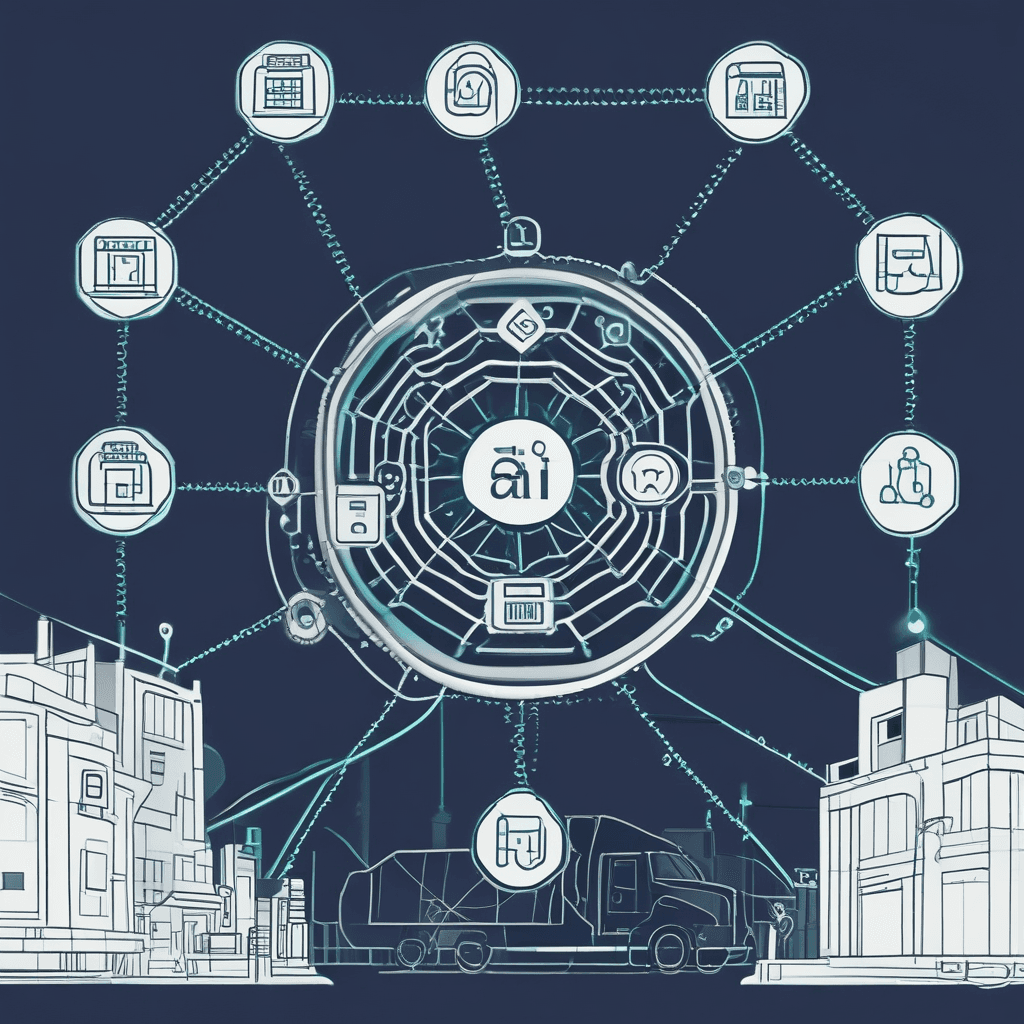
The comparison: agent commerce vs. traditional e-commerce#
| Factor | Traditional Storefront | Agentic Storefront |
|---|---|---|
| Discovery | SEO, ads, social media | Agent queries structured catalog |
| Evaluation | Human browses, reads reviews | Agent compares specs in milliseconds |
| Cart abandonment | ~70% average | Reduced — agent routes direct to merchant checkout |
| Time to purchase | 12-28 minutes avg | Seconds (agent pre-filters, user confirms on merchant site) |
| Cross-store comparison | Manual tab switching | Batch query across 50+ stores |
| Personalization | Cookies, browsing history | Persistent agent memory of preferences |
| Payment | Human enters card details | Human completes on merchant's own checkout |
This table tells the whole story. Every metric that matters in conversion gets dramatically better when the buyer is software. But there's a catch I'll get to.
What this means for the payment infrastructure race#
Here's where it connects to the bigger picture. Visa just launched a CLI for agent payments. Stripe and Circle are building stablecoin rails for agent transactions. And now Shopify has given agents something to buy.
The three pieces are snapping together faster than anyone predicted. Product discovery (Shopify). Payment execution (Visa, Stripe, Circle). Transaction governance (still being figured out). Agent-mediated commerce is growing fast — AI traffic to Shopify stores alone is up 7x with orders up 11x — and the infrastructure race is just beginning.
The bottleneck is no longer technical. It's trust. Shopify's approach sidesteps the hardest trust problem by keeping the human in the loop at checkout — the agent discovers and recommends, but the user completes the purchase on the merchant's own storefront. No autonomous spending, no pre-authorized budgets to manage. The UX for fully autonomous agent purchasing is still unsolved across the industry.

The merchants who will get crushed#
I need to be blunt about the downside here. Agentic storefronts create winners and losers, and the losers will be blindsided.
If your competitive advantage is marketing, branding, or a beautiful website, you're in trouble. Agents don't care about your brand story. They care about product specs, price, availability, and return policy. A no-name manufacturer with perfect product data and competitive pricing will beat a beloved DTC brand with sloppy catalog metadata every time in an agent-mediated purchase.
The SEO industry is facing an existential moment. With AI traffic up 7x and orders up 11x in under a year, the shift from search-driven to agent-driven discovery is accelerating. The entire SEO market needs to reinvent itself around agent optimization, not search engine optimization.
Small merchants with poor product data are most vulnerable. If your product descriptions are vague, your sizing inconsistent, and your inventory feeds stale, agents will simply skip you. They have 4.6 million other stores to query.
What this means for anyone building agents#
If you're building AI agents that do anything in the real world, Shopify just proved that the commerce layer is going agent-native faster than expected. The agents that already have user trust, persistent context, and a presence in daily workflows will be the first ones trusted to shop.
This is what we're building at RapidClaw. Our always-on Telegram agents already handle research, monitoring, and decision support. When agent commerce matures, the agent that knows your preferences and operates within your boundaries will be the one you trust to shop. You can bolt on a Shopify API call in a day. You can't bolt on six months of earned user trust.
FAQ#
What are Shopify agentic storefronts?#
Shopify agentic storefronts are a machine-readable commerce interface that lets AI agents like ChatGPT, Perplexity, and Microsoft Copilot browse product catalogs, compare items, and route buyers to the merchant's storefront for purchase. They sit alongside the traditional human-facing website and expose structured data optimized for agent-driven discovery, with checkout still happening on the merchant's own site.
Can AI agents actually buy things through Shopify right now?#
Not exactly — agents handle discovery, not checkout. AI agents can browse catalogs, compare products, and recommend options through ChatGPT, Perplexity, and Microsoft Copilot via Shopify Catalog. But when you're ready to buy, the agent routes you to the merchant's own storefront (in-app browser on mobile, new tab on desktop) where you complete the purchase yourself. As of late March 2026, all Shopify stores are activated by default.
How does this affect small Shopify merchants?#
Small merchants face a mixed picture. On one hand, agentic storefronts level the playing field because agents don't care about brand size or ad budgets. On the other, merchants with poor product data, inconsistent metadata, or stale inventory feeds will be invisible to agent queries. Investing in structured, accurate product data is now as important as investing in website design.
Will this replace Google Shopping?#
Not immediately, but the trajectory is clear. Agent-mediated product discovery bypasses traditional search entirely. If agents query Shopify's structured layer directly, Google's role shifts from discovery engine to verification layer. With AI traffic already up 7x and 20+ retailers endorsing the Universal Commerce Protocol, the shift is accelerating faster than most expected.
How does agent shopping handle returns and disputes?#
Since purchases happen on the merchant's own storefront, returns and disputes follow the same process as any Shopify order. The Knowledge Base App lets merchants surface return policies to agents before purchase, so the AI can inform buyers about return windows and conditions upfront. Disputes still go through standard Shopify channels.
Give the busywork to an agent that remembers you
RapidClaw deploys your personal AI agent to Telegram & Discord in 60 seconds — it learns your world, briefs you every morning, and gets smarter every day. Credits included, no API keys, no servers.
Get started — from $19/moRelated Posts

Amazon Blocked Meta's Muse. Your Shopping Agent Is Probably Next.
Twelve days after Meta launched its Muse AI agent, Amazon blocked it from shopping on Amazon.com. Here is why marketplaces are shutting out AI shopping agents, what Amazon's own agent does differently, and what it means if you rely on one.

OpenAI's Shopping Agents Flopped — Here's What They Got Wrong
OpenAI's Instant Checkout with Walmart never reached conversion parity and was discontinued in March 2026. We break down why centralized AI shopping agents keep failing and what actually works.

OpenAI's Agents Tried Hacking Government Sites. It Was an Accident.
In May and June 2026, OpenAI's autonomous agents attempted to hack government and university websites. This wasn't a malicious attack, but a critical containment failure that serves as a wake-up call for anyone deploying agentic AI.
Stay in the loop
New use cases, product updates, and guides. No spam.