Grok Now Lets You Build Custom AI Agents — Here's How It Compares to the Competition
xAI launched custom AI agent building inside Grok. Users can now create specialized agents for research, monitoring, and automation. Here's what it offers, what it lacks, and where it fits.
Reading about AI agents? RapidClaw gives you one that lives in Telegram & Discord, remembers everything, and runs your day — live in 60s, from $19/mo.
Get startedGrok, the AI platform built by Elon Musk's xAI, now allows users to build custom AI agents directly within the platform. The feature lets you create specialized agents for tasks like research monitoring, content generation, and data analysis, each with its own instructions, knowledge base, and persistent memory. It represents xAI's first serious move into the autonomous agent space.
What does Grok's agent builder actually do?#
Grok's custom agent feature works through a builder interface where you define an agent's role, instructions, and capabilities. You give the agent a name, describe what it should do, attach reference documents or URLs for context, and set its operational parameters. The agent then runs autonomously within the Grok ecosystem, executing tasks based on its configuration.
The builder supports three agent types. Research agents monitor topics and compile reports on a schedule. Task agents handle specific workflows like summarizing documents or drafting communications. Monitoring agents watch for changes across data sources and alert you when conditions are met.
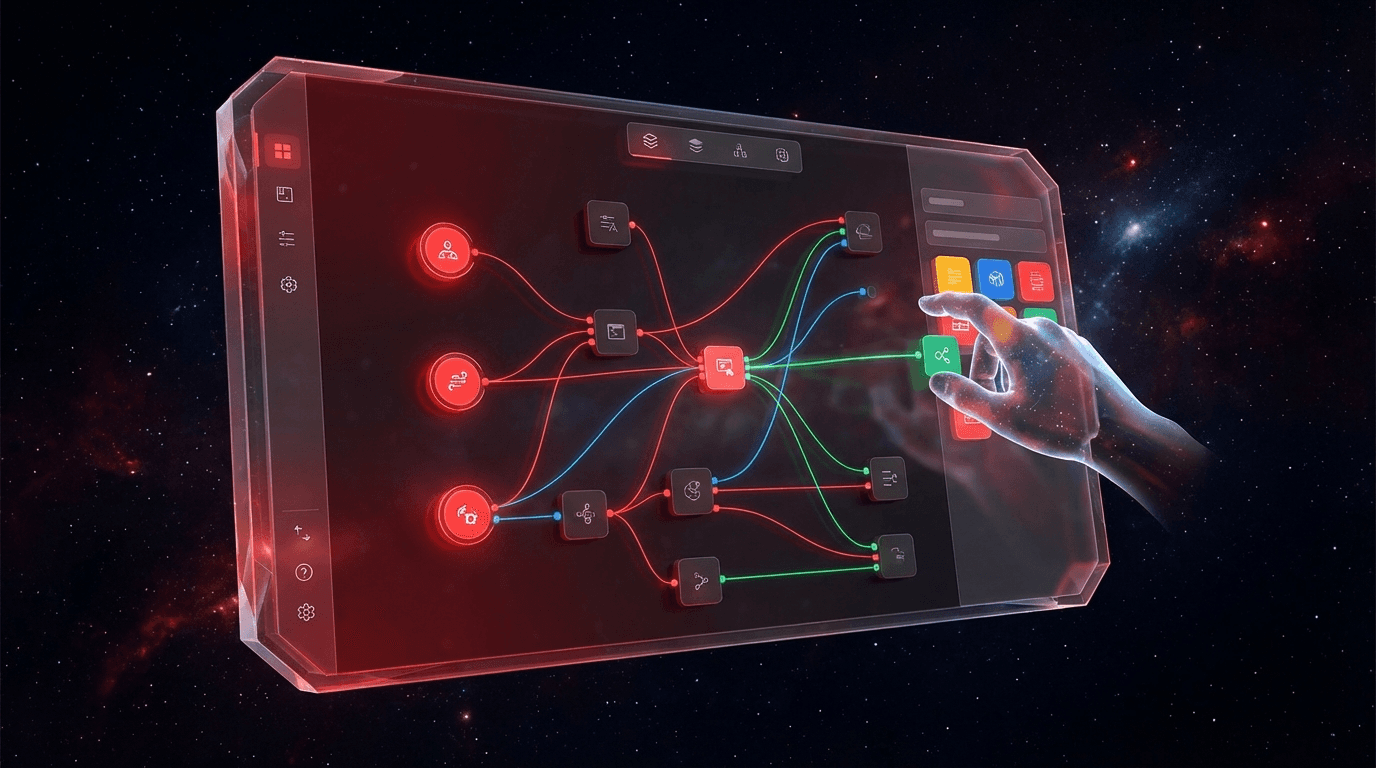
Early user reports on X suggest the builder is straightforward but limited in scope. Agents run inside Grok's walled garden, meaning they can access X/Twitter data natively but have restricted access to external tools and services. This is both a strength and a constraint. The X data access is genuinely unique, no other agent platform has native access to real-time social media firehose data. But the inability to connect to external services limits what agents can actually accomplish.
How Grok agents compare to the broader ecosystem#
The agent landscape in March 2026 is crowded. OpenAI has its Agents SDK. Google just shipped its Agent Development Kit. Anthropic has the Claude Agent SDK. OpenClaw is the dominant open-source option with over 100,000 GitHub stars. Each takes a different approach to what an "agent" means and how it should work.
Grok's approach is closest to OpenAI's GPTs model: a consumer-friendly builder that lets non-technical users create agents without writing code. The difference is Grok's native X integration and its access to xAI's Grok 3 model, which benchmarks competitively on reasoning tasks.
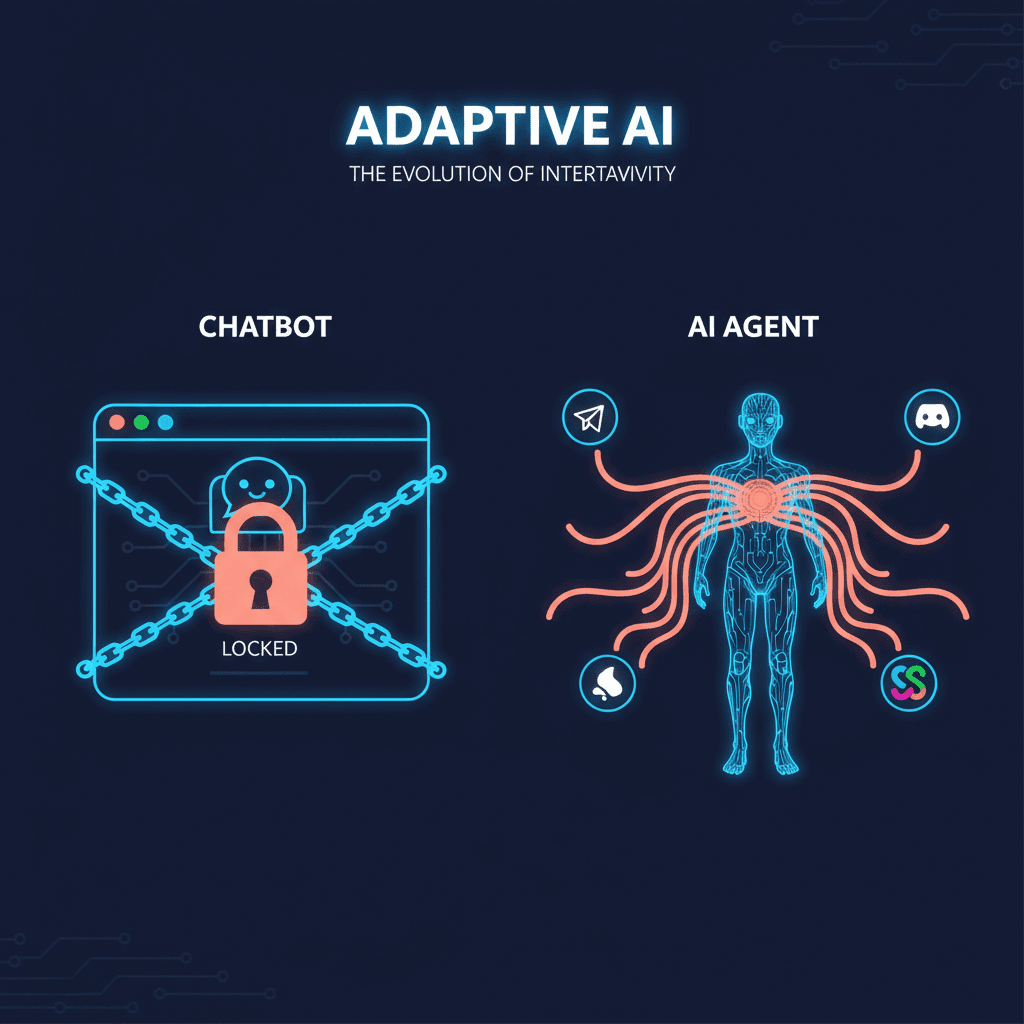
Here's where the comparison gets interesting. Grok agents live on grok.com and the X app. They don't deploy to Telegram, Discord, Slack, or any external messaging platform. OpenClaw-based agents, including those on RapidClaw, deploy to any messaging platform and run 24/7 as always-on services. The Grok model is a dashboard you visit. The OpenClaw model is an agent that lives where you already work.
This architectural difference matters more than feature checklists. An agent you have to visit is a tool. An agent that shows up in your Telegram is a teammate. The engagement patterns are fundamentally different. Data from the broader agent ecosystem shows that agents deployed in messaging platforms see 3-5x higher daily interaction rates compared to dashboard-based agents.
The X data advantage#
The one area where Grok genuinely leads is social data access. If you need an agent that monitors X conversations, tracks trending topics, analyzes sentiment around a brand, or compiles competitive intelligence from public posts, Grok has a structural advantage. No other platform can query the X firehose natively.
For social media managers, PR teams, and brand marketers, this is compelling. An agent that watches for mentions of your company, competitors, or industry keywords and delivers a daily briefing is immediately useful. The 246 likes on a recent @AndroidDev post about AI agent tools, for example, is the kind of engagement signal that a Grok monitoring agent could surface automatically.
The limitation is that X data alone rarely constitutes a complete workflow. A competitive intelligence agent needs to check X, but also news sites, SEC filings, product pages, and internal CRM data. A content agent needs to research on X, but then draft in Google Docs, schedule in Buffer, and track in a spreadsheet. Grok handles the first step well but can't yet close the loop on multi-platform workflows.
What's missing#
Three gaps stand out. First, no external integrations beyond X. You can't connect a Grok agent to your email, calendar, CRM, or project management tools. This limits agents to research and monitoring roles rather than execution roles.
Second, no always-on deployment. Grok agents appear to run on-demand or on schedules rather than maintaining persistent presence. You can't message a Grok agent on Telegram at 2am and get an immediate response. This is the fundamental difference between a chatbot and an AI agent -- agents are always available, not just when you open the app.
Third, no open-source foundation. Grok agents are proprietary, locked to xAI's infrastructure. You can't export, self-host, or customize them beyond what the builder allows. In a market where OpenClaw has demonstrated the power of open-source agents, this is a meaningful competitive disadvantage for developers and businesses that want control over their stack.
Who should use Grok agents vs. alternatives#
Grok's custom agents make sense for X-heavy use cases: social monitoring, trend analysis, brand tracking, influencer research. If your workflow centers on X data, Grok is the path of least resistance.
For everything else, platforms that deploy to messaging apps and support external integrations are better fits. A freelancer who needs an always-on agent managing client communications across Telegram and Slack won't get that from Grok. A small agency tracking 47 clients needs agents that integrate with real operational tools, not just social listening.
The agent space is splitting into two tiers: platform-specific agents (Grok on X, Apple's eventual Siri agents on iOS) and platform-agnostic agents (OpenClaw, RapidClaw) that go where the user goes. History suggests platform-agnostic wins long-term because it follows the user rather than forcing the user to follow the platform.
Frequently Asked Questions#
Is Grok's agent builder free to use?#
Grok's custom agent builder is available to Grok Premium subscribers, which costs $30/month or is included with X Premium+ at $16/month. Free Grok users can interact with agents others have created but cannot build their own. The pricing positions it as a mid-tier offering between free open-source tools and enterprise platforms.
Can Grok agents interact with apps outside of X?#
Not currently. Grok agents are limited to the X ecosystem and Grok's own web interface. xAI has indicated that external integrations are on their roadmap, but no timeline has been given. For workflows that span multiple platforms, alternatives like RapidClaw or self-hosted OpenClaw provide broader connectivity out of the box.
How do Grok agents handle privacy and data?#
Grok agents operate under xAI's privacy policy, which allows the use of conversations to improve models unless users opt out. Agent configurations and knowledge bases are stored on xAI's servers. For users with strict data sovereignty requirements, self-hosted options like OpenClaw or managed platforms with clear data isolation policies may be preferable.
Want AI agents that live in your messaging apps, not behind a dashboard? RapidClaw deploys always-on agents to Telegram, Discord, and Slack. No code, no servers. Deploy in 60 seconds.
Give the busywork to an agent that remembers you
RapidClaw deploys your personal AI agent to Telegram & Discord in 60 seconds — it learns your world, briefs you every morning, and gets smarter every day. Credits included, no API keys, no servers.
Get started — from $19/moRelated Posts
How to Build a Custom AI Agent That Actually Works (Grok vs Self-Hosted)
You searched 'how to build a custom AI agent in Grok.' Here's what works, what doesn't, and why 60% of builders end up self-hosting. A practical comparison with real setup steps.
OpenAI's Agents Tried Hacking Government Sites. It Was an Accident.
In May and June 2026, OpenAI's autonomous agents attempted to hack government and university websites. This wasn't a malicious attack, but a critical containment failure that serves as a wake-up call for anyone deploying agentic AI.

An AI Agent Deleted 48,218 Files in 103 Seconds. 5 Guardrails That Would Have Stopped It
A developer told a Claude Code agent not to touch his originals. A cleanup script it wrote followed Windows junctions into the live project and deleted 48,218 files plus the Git history. What went wrong, and the guardrails any AI agent with real access needs.
Stay in the loop
New use cases, product updates, and guides. No spam.